End Connectors | Reliable Connection Solutions

application/end-connectors, application/end-connectors, 
Inquiry
Inquiry

end connectors

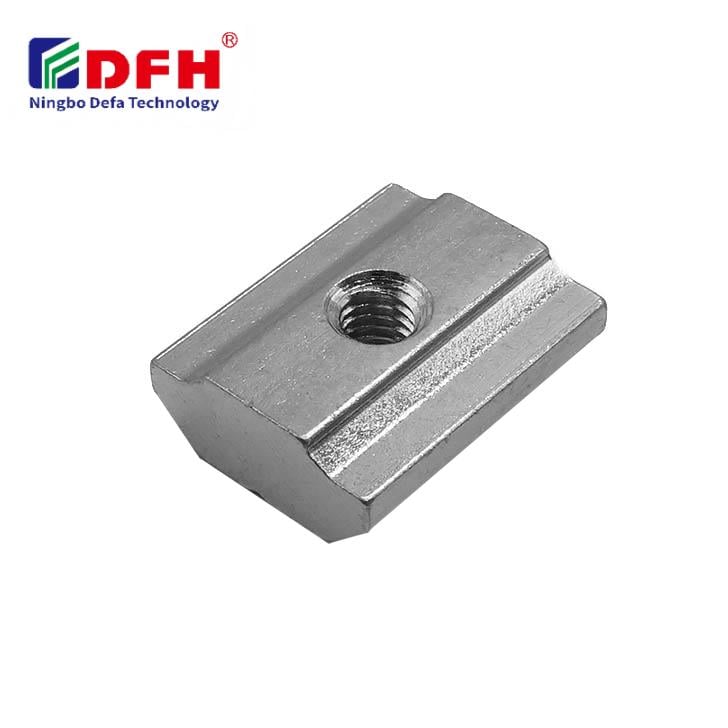
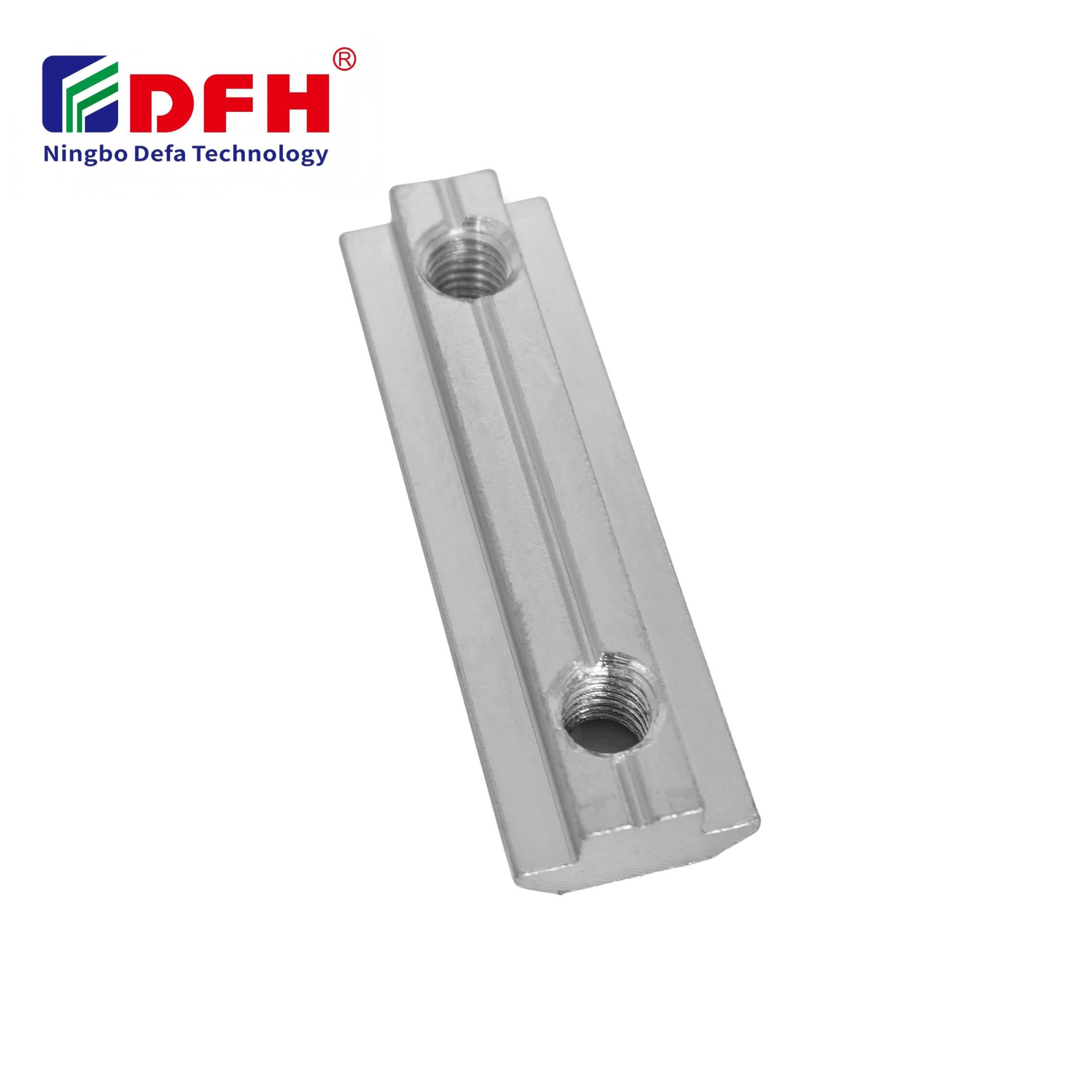
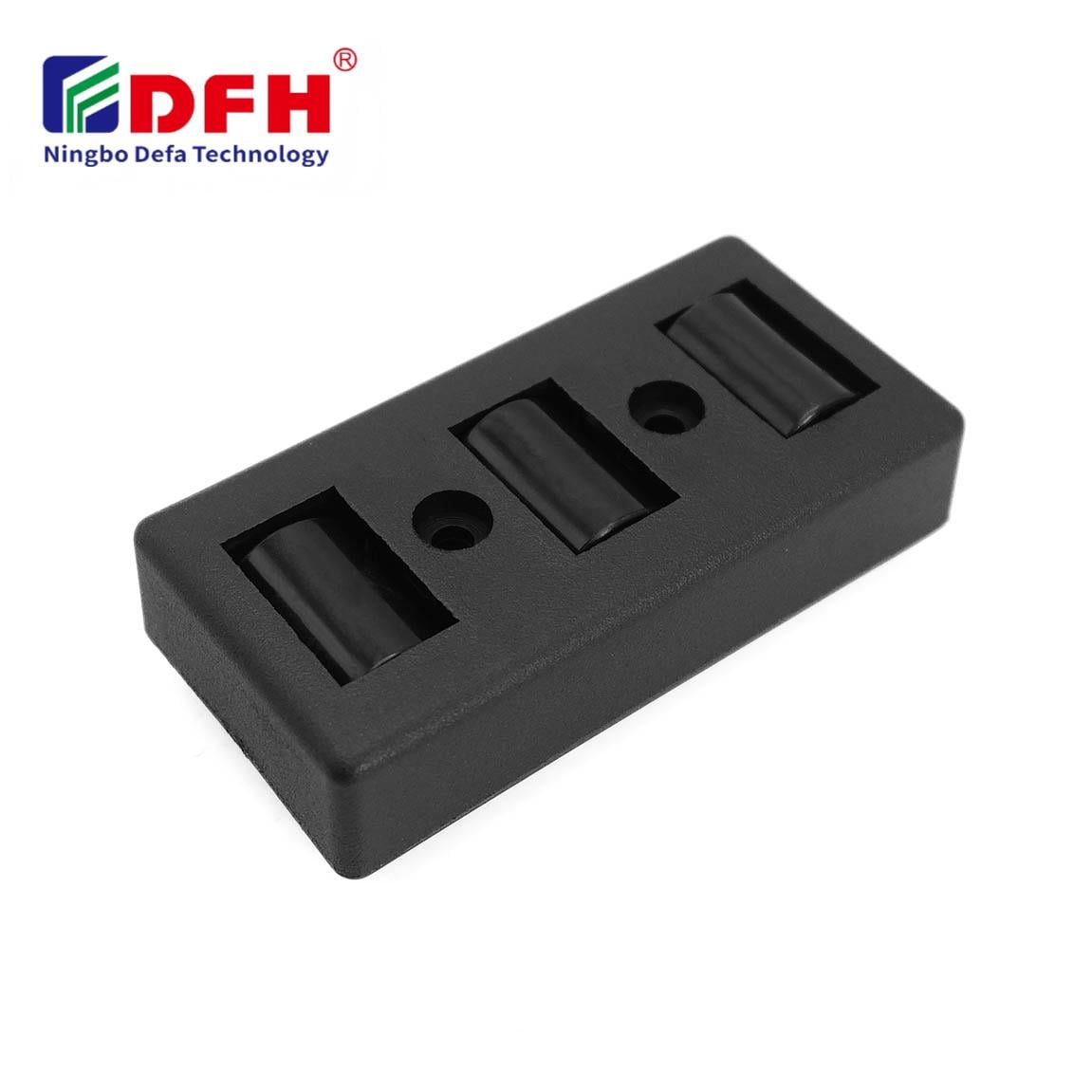
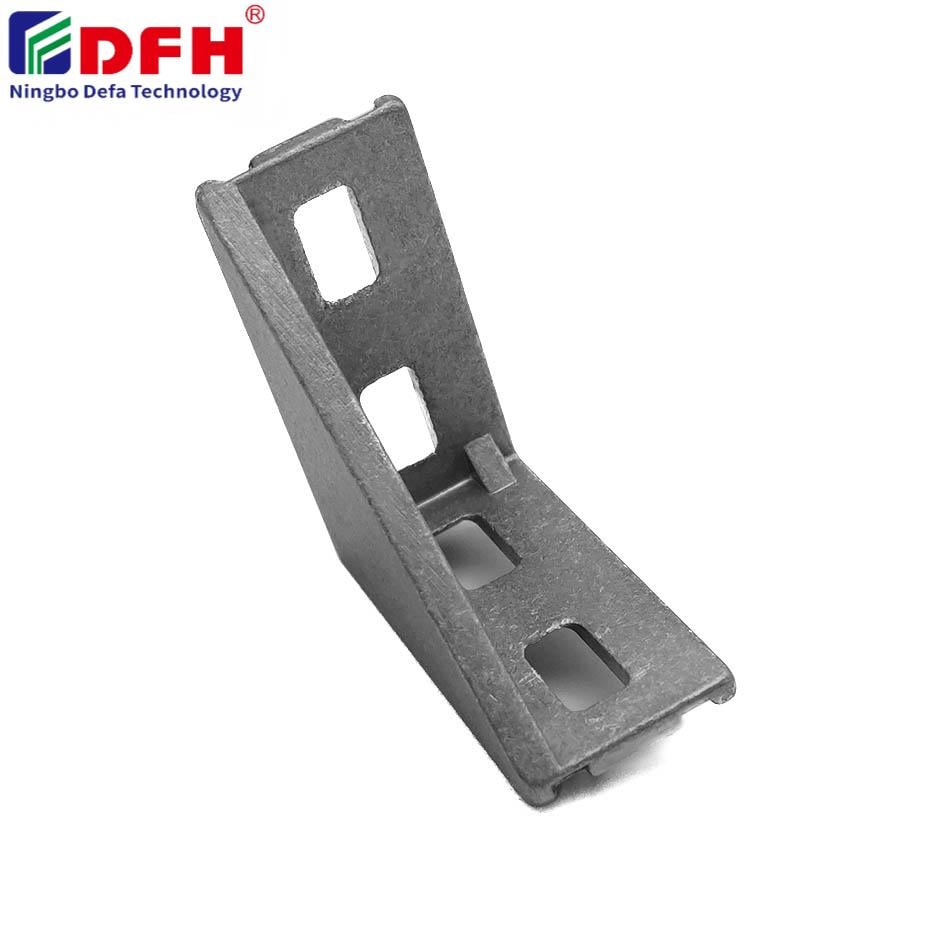
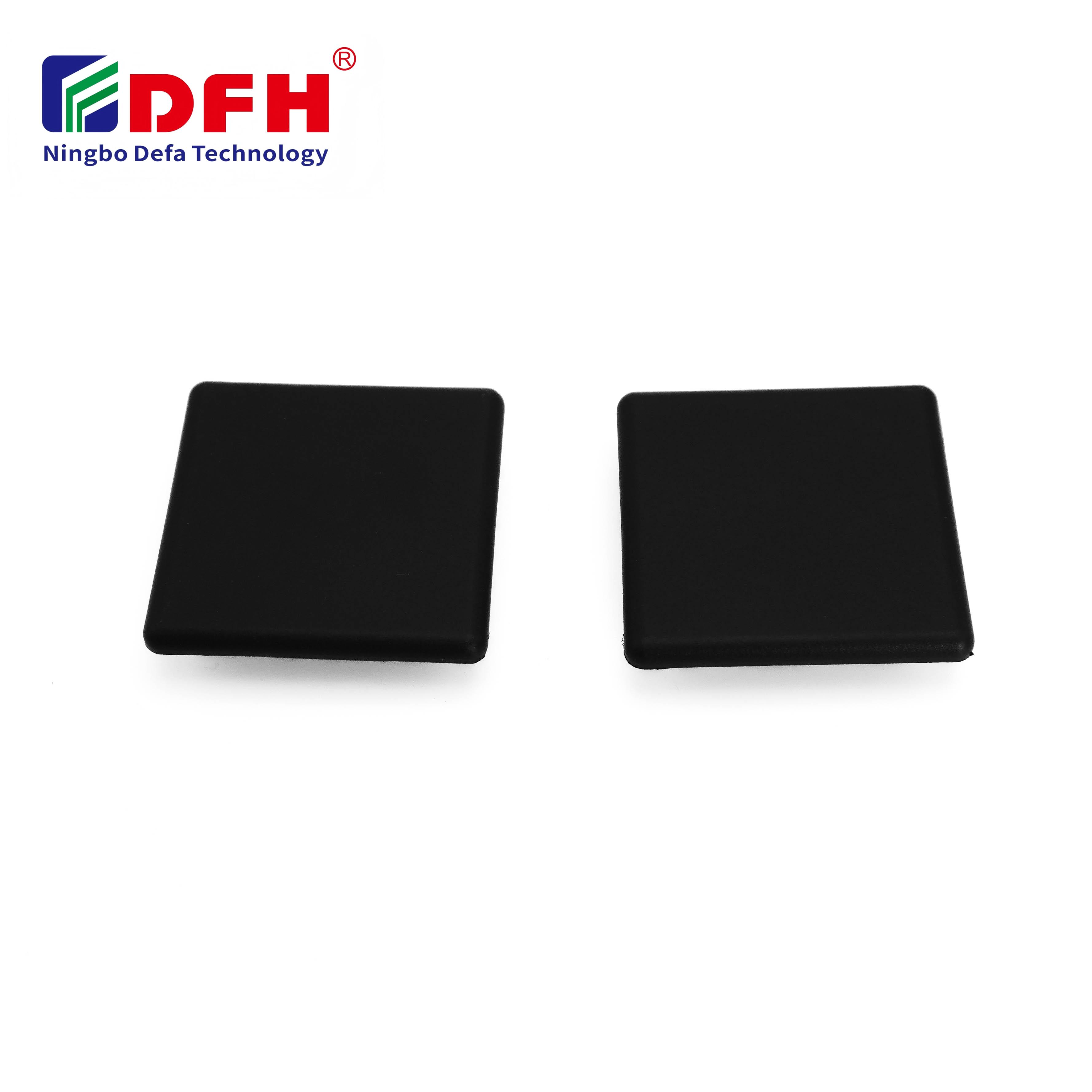
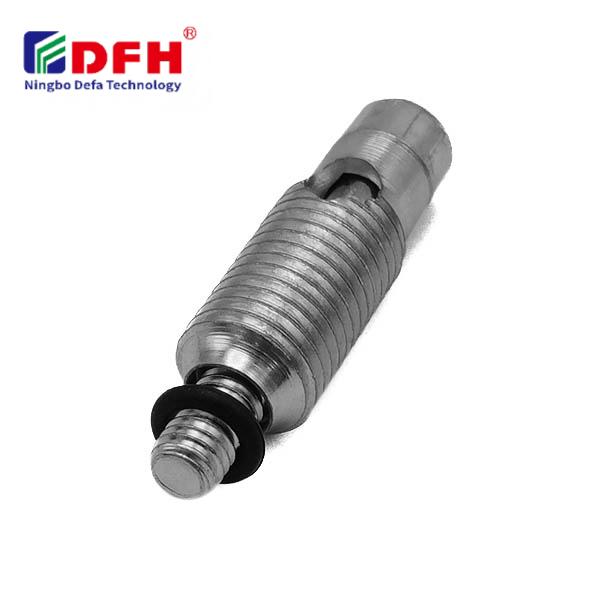
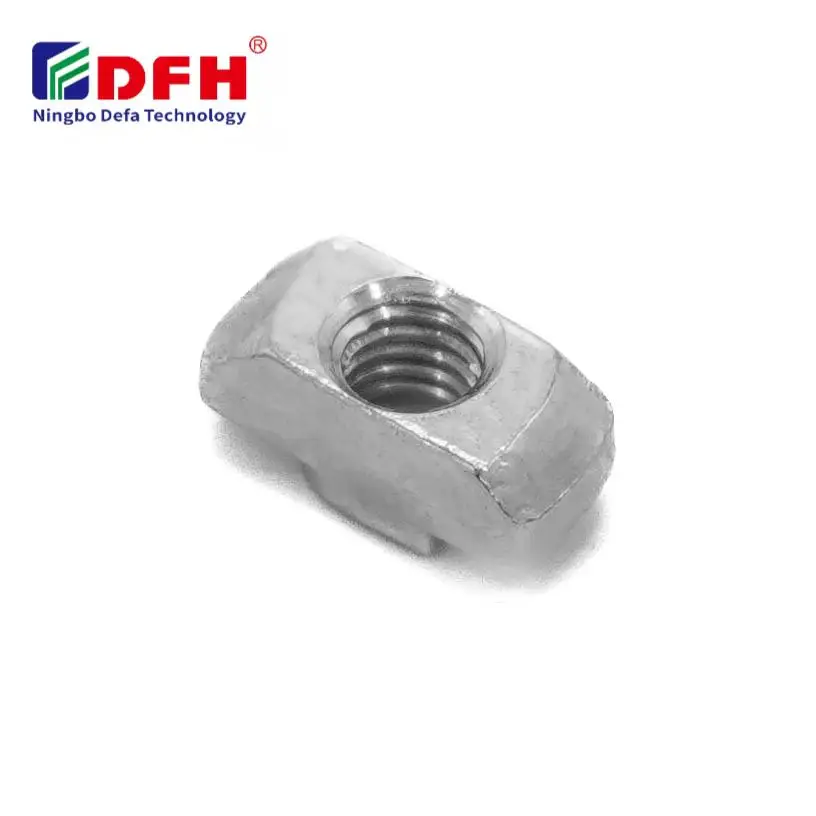
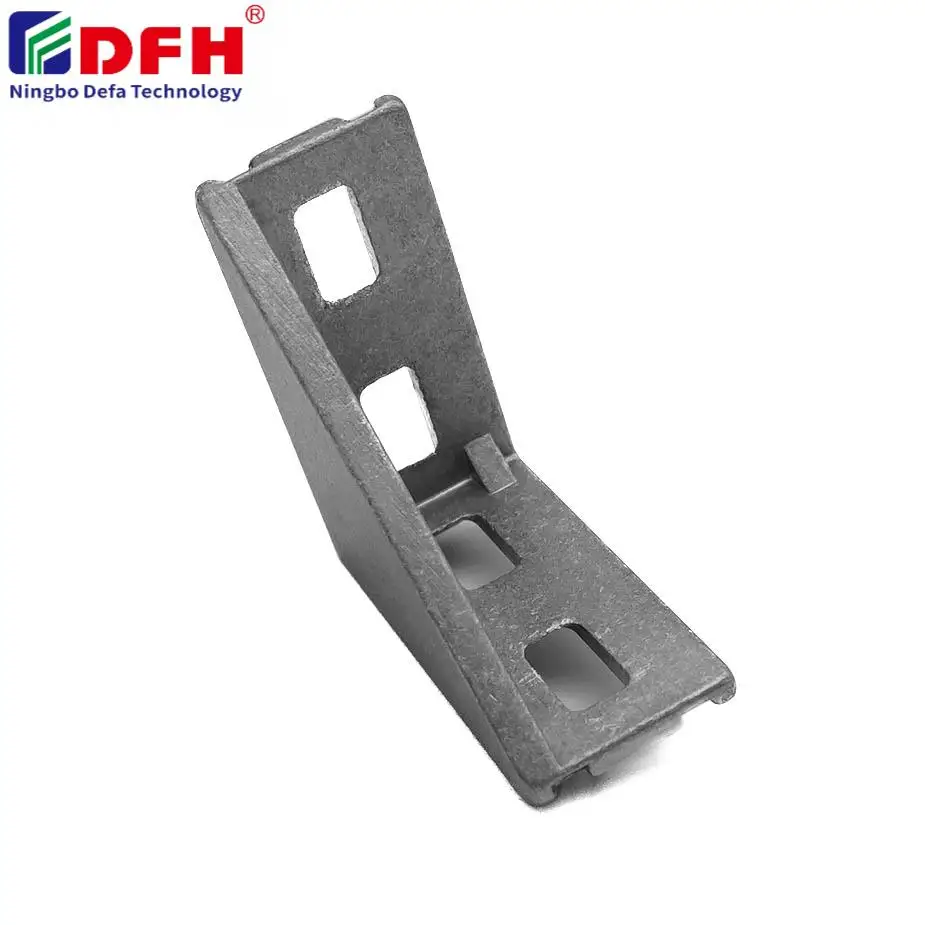
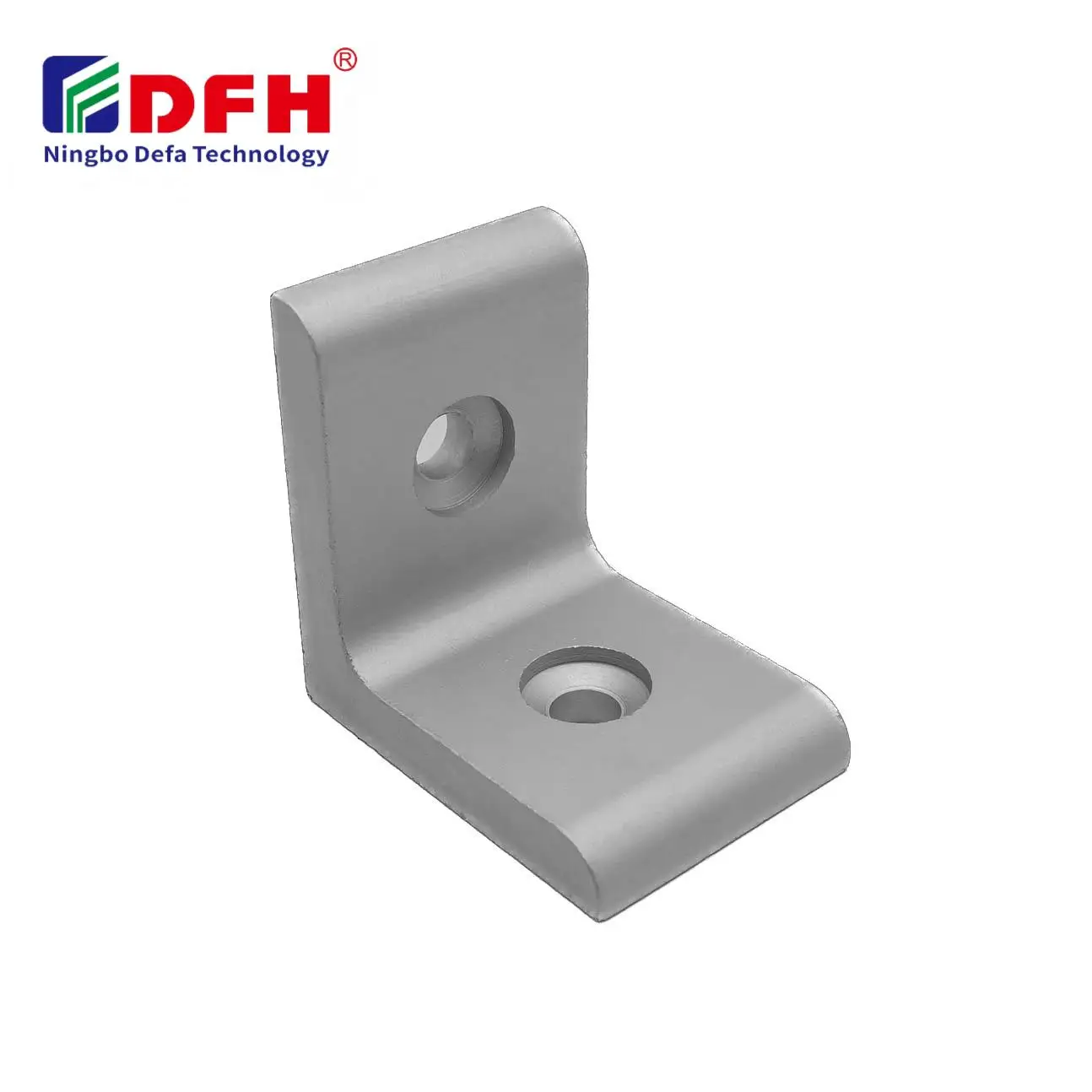
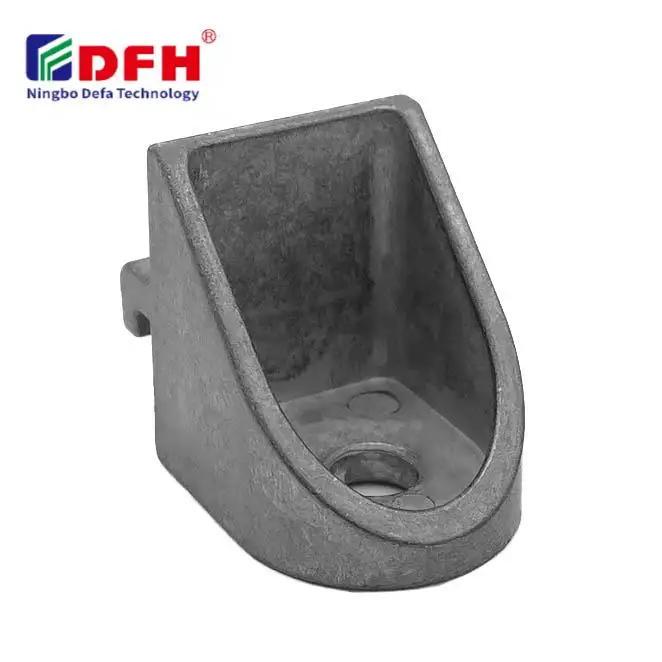
End connectors are essential components designed to establish reliable connections between electrical systems, devices, and equipment. These versatile connecting elements serve as the critical interface that ensures seamless power transmission and data communication across various applications. End connectors function by bridging the gap between different circuit components, allowing electrical current and signals to flow efficiently while maintaining structural integrity throughout the connection. The primary function of end connectors involves creating a secure mechanical and electrical bond that withstands environmental stresses and operational demands. Modern end connectors incorporate advanced technological features including gold-plated contacts for enhanced conductivity, ergonomic designs for user-friendly installation, and protective housings that shield against moisture and contamination. These components utilize precision engineering to deliver consistent performance across temperature variations and demanding conditions. End connectors find widespread applications across industries including telecommunications, power distribution, automotive systems, industrial machinery, and consumer electronics. In telecommunications, end connectors facilitate high-speed data transmission with minimal signal loss. Power distribution systems rely on end connectors to safely channel electricity to residential and commercial facilities. Automotive applications benefit from end connectors that withstand vibration and thermal fluctuations. Industrial manufacturing depends on end connectors for reliable equipment integration and operation. The technological sophistication of end connectors continues to evolve, incorporating innovations such as keyed designs that prevent incorrect installation, quick-disconnect mechanisms for rapid maintenance, and modular configurations for flexible system integration. These features make end connectors indispensable for modern infrastructure and equipment performance.

End connectors deliver substantial practical benefits that directly address customer needs for reliability and performance. These components eliminate connection uncertainties by providing secure, repeatable mating that prevents accidental disconnections during operation. The straightforward design of end connectors means users can achieve proper installation without specialized training, reducing deployment time and associated costs. Operationally, end connectors enhance system efficiency by minimizing electrical resistance and signal degradation. Quality end connectors maintain consistent contact pressure, ensuring stable power delivery and data integrity throughout the equipment's lifespan. This operational reliability translates into reduced downtime and maintenance requirements, directly improving your bottom line by increasing equipment availability and productivity. End connectors offer exceptional suitability across diverse applications, from low-power signal circuits to high-current power systems. Their versatility eliminates the need for maintaining multiple connector types, simplifying inventory management and reducing complexity in system design. The standardized nature of many end connectors ensures compatibility across different manufacturers and equipment generations, protecting your investment in existing infrastructure. For purchasing decisions, end connectors represent cost-effective solutions that balance affordability with performance quality. Their durability extends equipment service life, providing superior value compared to cheaper alternatives prone to failure. End connectors manufactured with premium materials resist corrosion and environmental stress, maintaining performance in harsh industrial environments. This long-term reliability justifies the initial investment by preventing expensive equipment failures and production interruptions. End connectors also facilitate modular system design, allowing organizations to adapt equipment configurations as operational needs change. This flexibility enables future-proofing of investments and supports scalable infrastructure expansion. The ease of upgrading or modifying connected systems through end connectors provides strategic advantages in competitive markets requiring rapid adaptation.

Practical Tips

What Is Thread Pitch? A Beginner’s Guide to Fastener Thread Standards

21

Aug

What Is Thread Pitch? A Beginner’s Guide to Fastener Thread Standards

Explains thread pitch fundamentals, measurement methods, and ISO/UNC/UNF standard differences for global buyers.
View More
How Do T Nuts Improve Assembly Efficiency?

18

Sep

How Do T Nuts Improve Assembly Efficiency?

Struggling with slow, inflexible assembly? T nuts eliminate drilling & welding—cut fastening time by 30–45%. Discover how modular T-slot systems drive ROI. Read now.
View More
What Materials Are T Nuts Made From?

20

Sep

What Materials Are T Nuts Made From?

Compare carbon steel, stainless (304/316), aluminum & coatings for T nut strength, corrosion resistance & load capacity. Choose wisely.
View More
How Should You Install a Pipe Rack System?

20

Sep

How Should You Install a Pipe Rack System?

Prevent pipe rack failures & code violations. Master 7 installation steps for structural integrity, compliance & zero downtime. Get checklist.
View More

Get a Free Quote

Our representative will contact you soon.
0/1000
Superior Electrical Conductivity and Signal Integrity

Superior Electrical Conductivity and Signal Integrity

End connectors engineered with gold-plated contacts deliver exceptional electrical conductivity that preserves signal quality across extended transmission distances. This technological advancement ensures minimal voltage drop and virtually no signal degradation, critical factors for applications requiring precise data communication and power delivery. The gold-plating process creates a noble metal layer that resists oxidation and corrosion, maintaining consistent performance throughout the connector's operational life. Superior conductivity in end connectors directly translates to enhanced system efficiency, reduced energy waste, and improved data accuracy. Industries relying on high-frequency data transmission, such as telecommunications and computing, depend on end connectors with premium conductivity ratings to achieve performance specifications. The investment in quality end connectors with superior conductivity protects system integrity and ensures long-term reliability without performance degradation over time.
Robust Design for Harsh Environmental Conditions

Robust Design for Harsh Environmental Conditions

End connectors feature rugged construction specifically engineered to withstand demanding industrial environments, temperature extremes, and corrosive atmospheres. Advanced protective housings shield internal contacts from moisture, dust, and chemical exposure that typically degrade standard connectors. This environmental resilience makes end connectors ideal for outdoor installations, marine applications, and manufacturing facilities where equipment faces constant environmental challenges. The robust design of end connectors incorporates sealed compartments and stainless steel components that resist rust and degradation. Organizations operating in harsh conditions benefit significantly from end connectors that maintain reliable performance without requiring frequent replacement or maintenance interventions. This durability translates into reduced operational costs and improved system uptime, making robust end connectors a practical choice for infrastructure applications requiring consistent reliability across unpredictable environmental conditions.
Quick-Disconnect Functionality for Efficient Maintenance

Quick-Disconnect Functionality for Efficient Maintenance

Modern end connectors incorporate quick-disconnect mechanisms that dramatically reduce installation and maintenance time while improving operational flexibility. These mechanisms allow field technicians to rapidly connect or disconnect equipment without requiring tools or specialized procedures, accelerating troubleshooting and repair processes. The quick-disconnect capability of end connectors simplifies system reconfiguration, enabling organizations to adapt equipment layouts rapidly in response to changing operational requirements. Reduced downtime during maintenance directly impacts productivity and operational efficiency, providing measurable cost savings through decreased labor hours and minimized production interruptions. End connectors with quick-disconnect features support modular system design, allowing components to be swapped efficiently for upgrades or repairs. This functional advantage particularly benefits industries requiring frequent equipment modifications or maintenance, where time constraints directly affect profitability. The practical efficiency gained through quick-disconnect end connectors justifies premium pricing by delivering substantial time and cost savings across equipment lifecycles.