Angle Connectors: Strong, Reliable Fastening

application/angle-connectors, application/angle-connectors, 
Inquiry
Inquiry

angle connectors

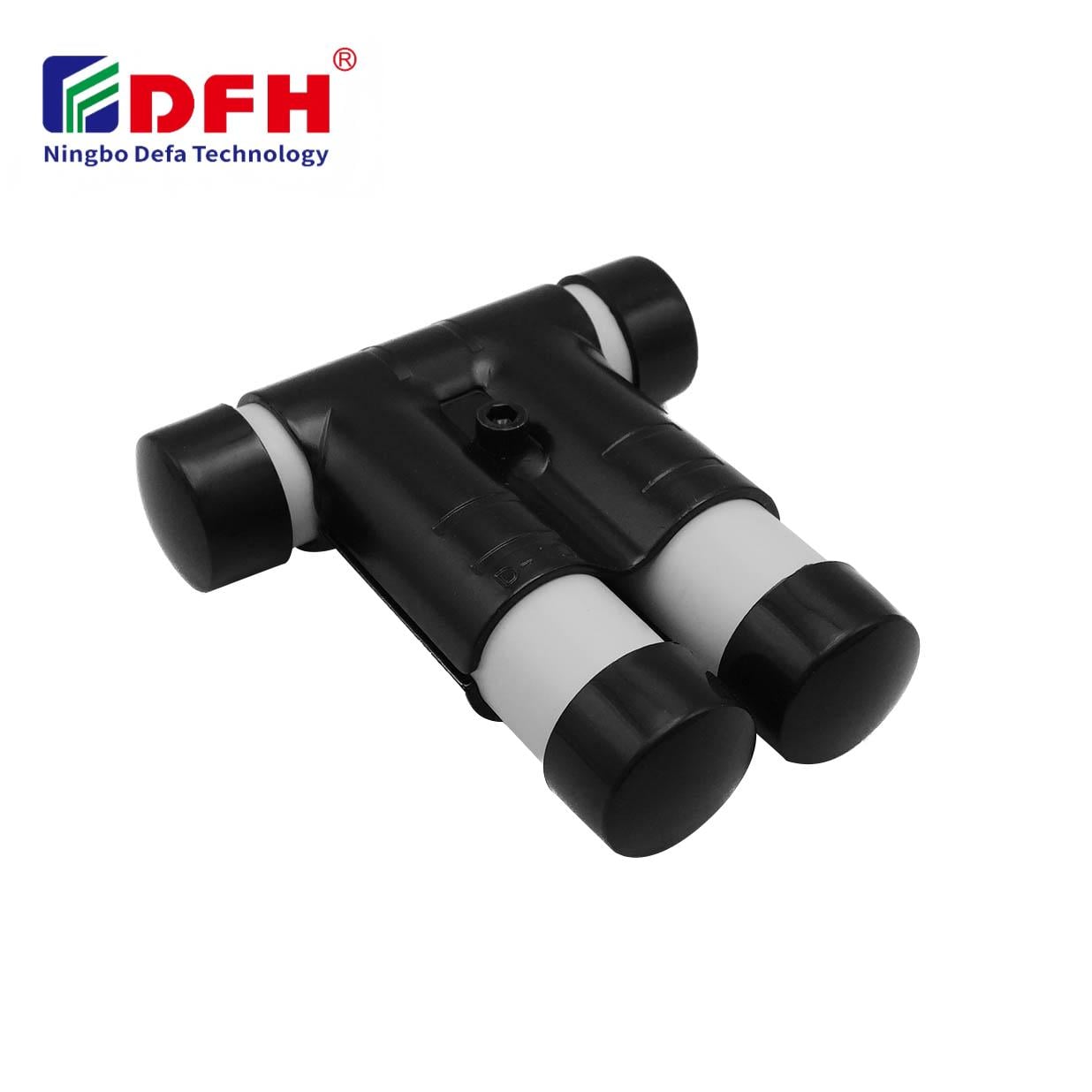
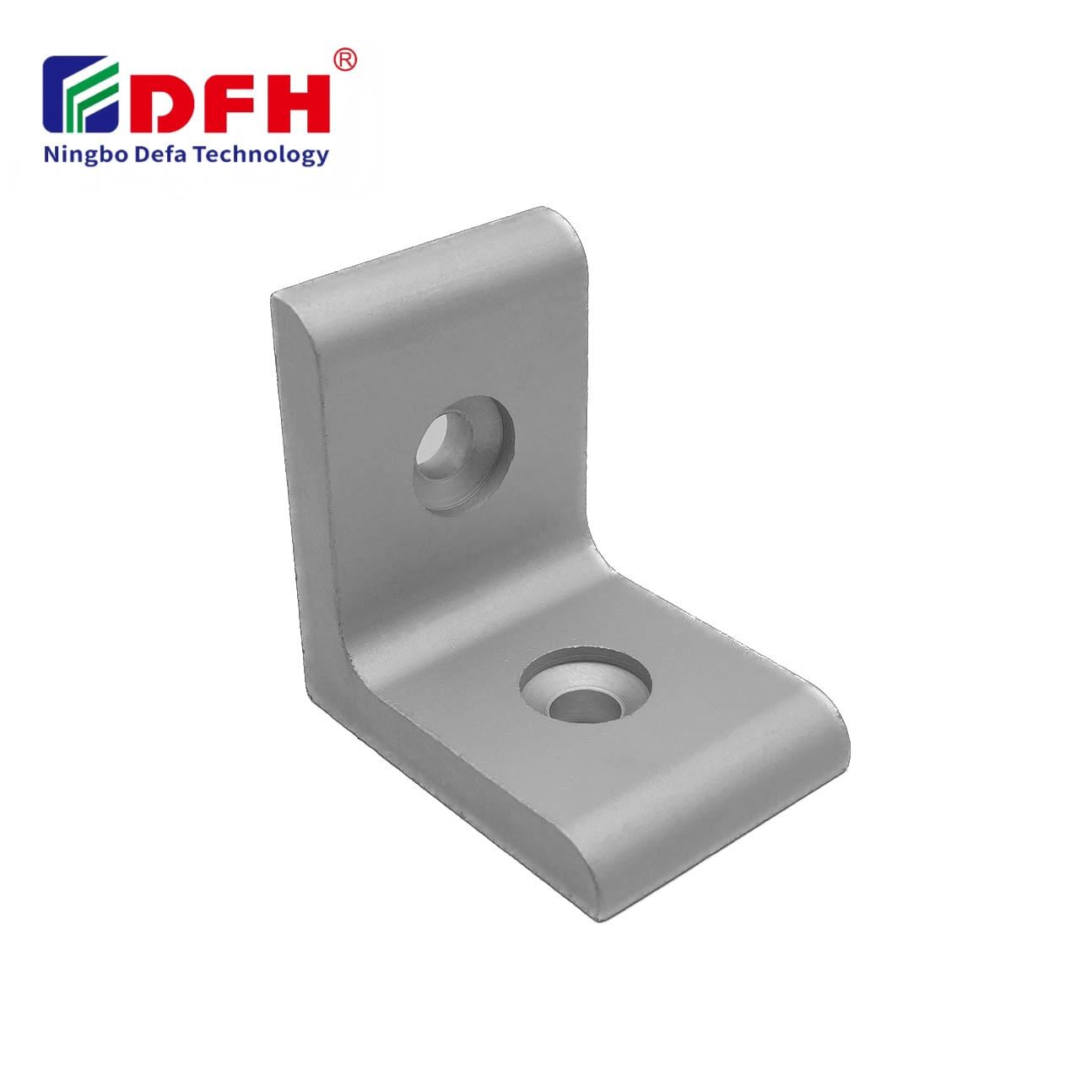
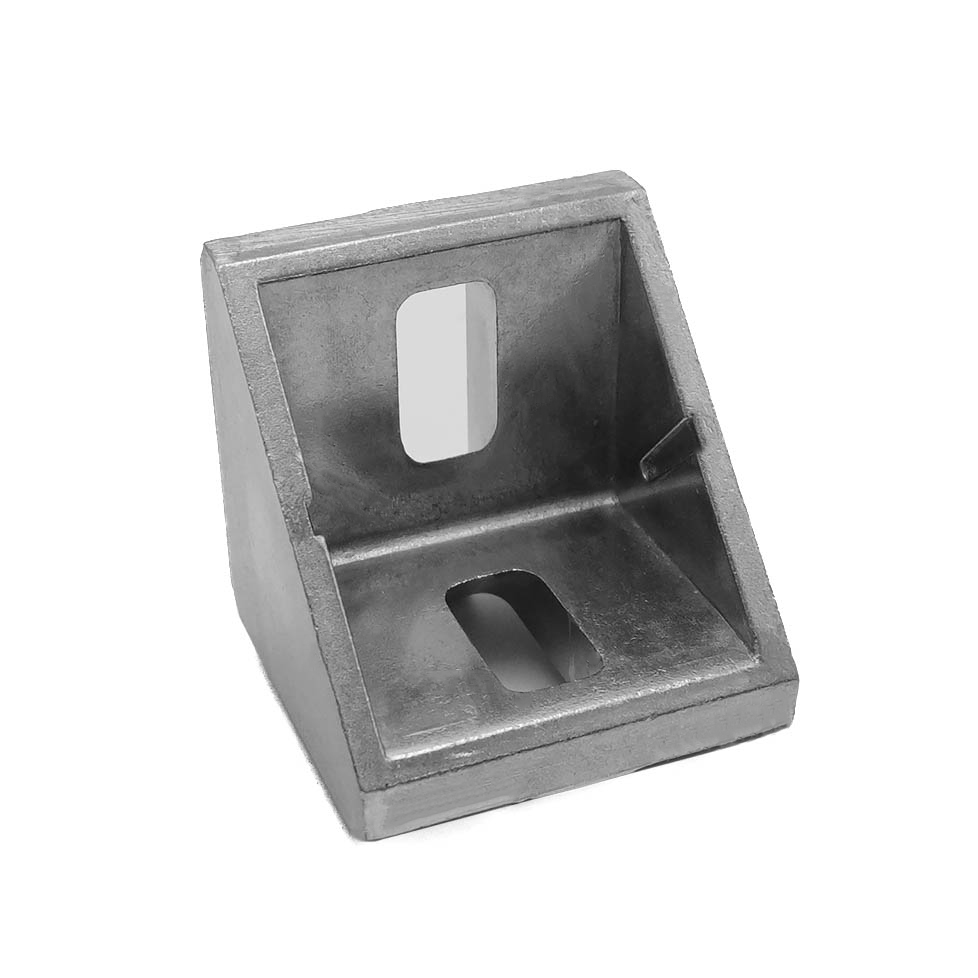
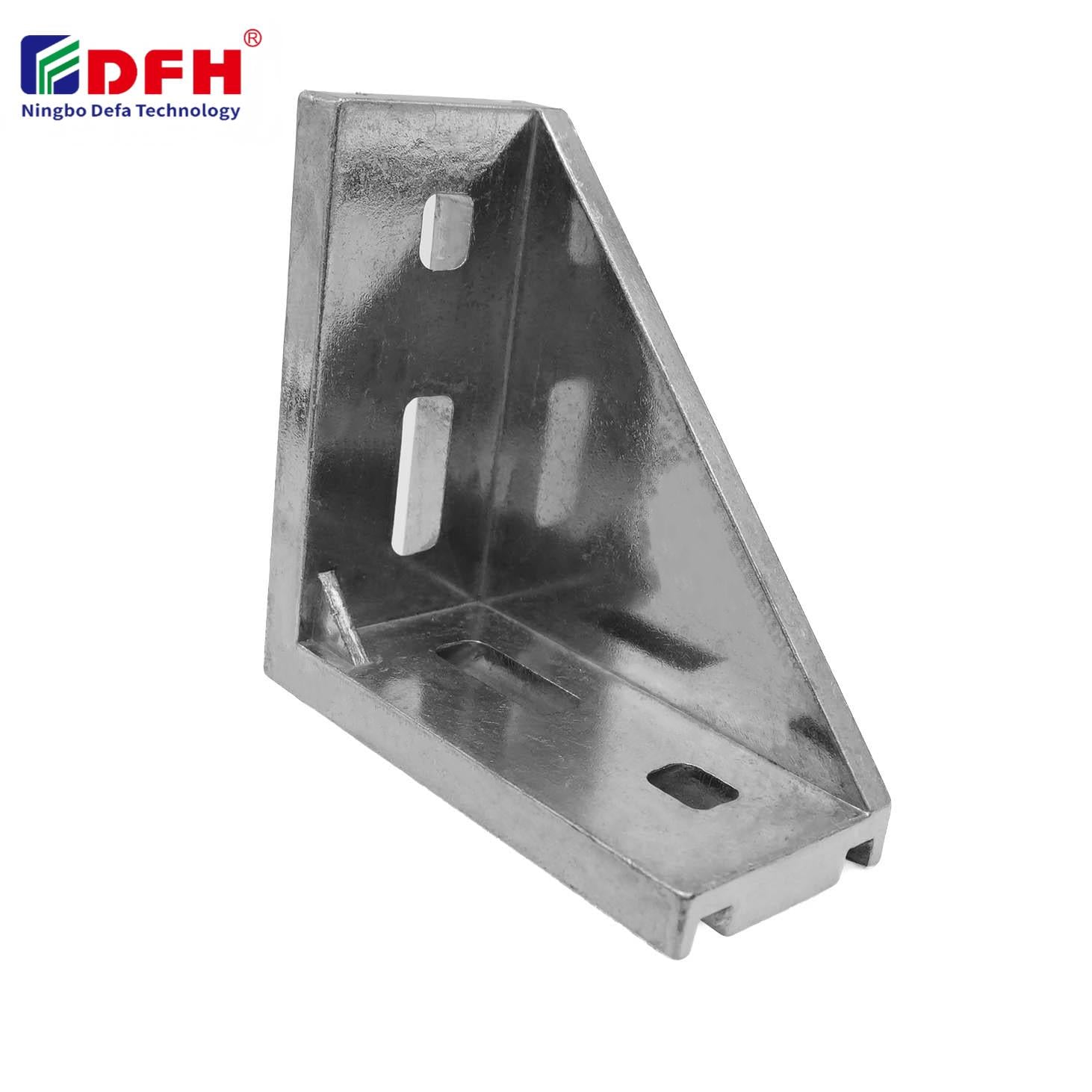
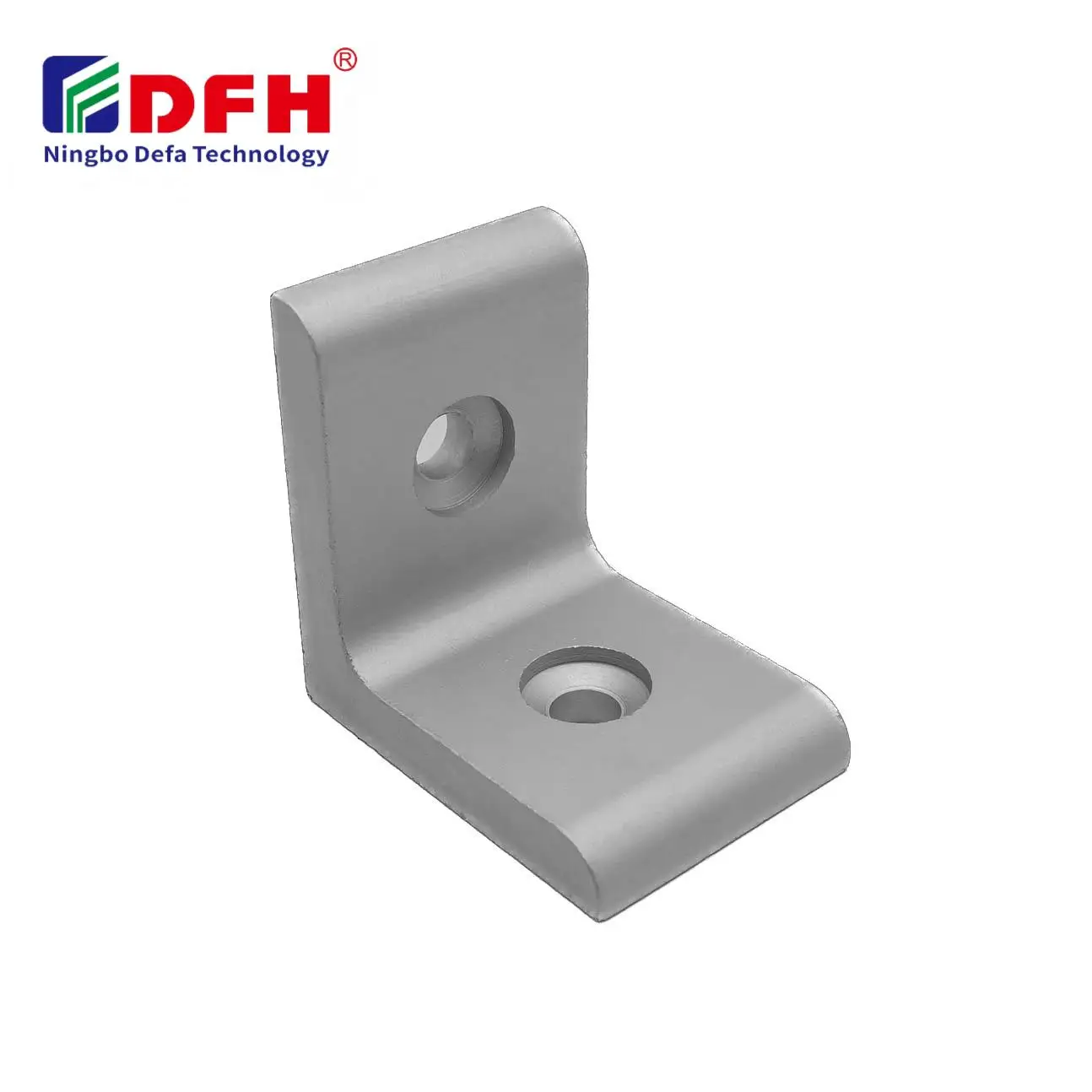
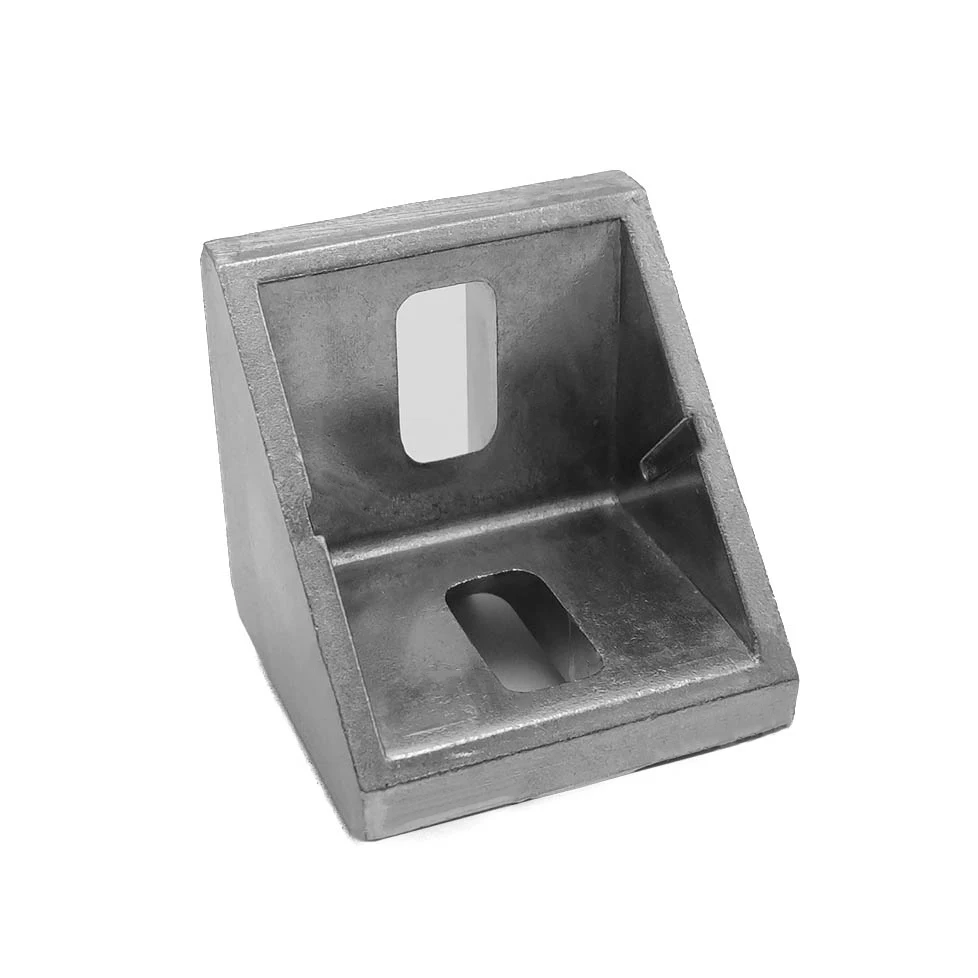
Angle connectors are specialized fastening components designed to join two surfaces or structural elements at precise angular relationships. These versatile connectors serve as essential building blocks in construction, manufacturing, and assembly applications where right-angle or specific-degree connections are required. Angle connectors function by providing rigid support between perpendicular or angled surfaces, ensuring structural integrity and stability in finished projects. The technological features of angle connectors include reinforced corner design, multiple fastening points, and precision-engineered geometry. Modern angle connectors are manufactured from durable materials such as steel, aluminum, or composite materials, offering resistance to corrosion and mechanical stress. The internal structure incorporates stress-distribution patterns that prevent failure under load-bearing conditions. Angle connectors find applications across diverse industries. In construction, they reinforce frame joints, wall connections, and roof assemblies. Manufacturing facilities use angle connectors in machinery assembly, equipment stands, and support structures. Furniture makers rely on angle connectors for creating sturdy cabinet frames and shelving units. The aerospace and automotive sectors employ specialized angle connectors for chassis assembly and structural frameworks. These connectors come in various configurations, including L-shaped, corner brackets, and adjustable designs. Standard angle connectors accommodate common fasteners like bolts, screws, and rivets, ensuring compatibility with existing assembly systems. Selecting appropriate angle connectors depends on load requirements, material compatibility, and environmental conditions where they will operate.

Angle connectors deliver substantial practical benefits that make them indispensable for construction and manufacturing projects. Their primary advantage lies in simplifying assembly processes—installers quickly position angle connectors at joints, reducing labor time and associated costs. This efficiency translates directly into faster project completion and improved profitability for contractors and manufacturers. Operational benefits of angle connectors include enhanced structural stability and load-bearing capacity. By distributing mechanical stress across multiple contact points, angle connectors prevent joint failure and extend the service life of assembled structures. This reliability minimizes costly repairs and maintenance interventions throughout the product lifecycle. Angle connectors excel in application suitability across multiple industries and project types. Whether securing furniture frames, reinforcing construction joints, or assembling industrial equipment, angle connectors adapt to various scenarios. Their versatility eliminates the need for custom fabrication in many situations, reducing material waste and inventory complexity. From a buyer perspective, angle connectors represent excellent value. They are cost-effective solutions compared to welding or custom fabrication alternatives. Standard angle connectors feature interchangeable designs, allowing bulk purchasing at competitive prices. Their availability from multiple manufacturers ensures supply chain reliability and price competitiveness. Decision-useful product context shows that angle connectors significantly improve project outcomes. Builders and manufacturers achieve consistent quality standards by using standardized angle connectors rather than relying on custom solutions. The predictable performance characteristics enable accurate structural calculations and compliance with safety regulations. Additionally, angle connectors facilitate future modifications or disassembly when necessary, providing flexibility in long-term asset management and renovation projects.

Latest News

What Maintenance Practices Extend Pipe Rack Life?

20

Sep

What Maintenance Practices Extend Pipe Rack Life?

Prevent premature pipe rack failure. Master 10 maintenance practices—corrosion control, bolt checks, weld inspections & more to extend life.
View More
Why Choose T Nuts Over Standard Fasteners?

18

Sep

Why Choose T Nuts Over Standard Fasteners?

Why leading manufacturers choose T nuts for flexibility, cost savings & scalability. Discover how threaded inserts boost agility and ROI. Get the comparison guide.
View More
Which Industries Rely on Pipe Rack Systems Most?

20

Sep

Which Industries Rely on Pipe Rack Systems Most?

Discover how oil & gas, chemical, pharma, power & utilities drive industrial pipe rack ROI. Master compliance, structural safety & uptime specs.
View More
How Long Do Aluminum Profiles Typically Last?

20

Sep

How Long Do Aluminum Profiles Typically Last?

How long do aluminum profiles really last? Discover how alloy grade, coatings, environment & maintenance impact 30–50-year durability. Get expert guidance now.
View More

Get a Free Quote

Our representative will contact you soon.
0/1000
Exceptional Load-Bearing Strength

Exceptional Load-Bearing Strength

Angle connectors are engineered to support substantial mechanical loads while maintaining structural integrity under stress. The reinforced corner design and strategic material placement distribute forces evenly across the connection point, preventing concentrated stress that could lead to failure. This robust construction means angle connectors can handle demanding applications in heavy industrial settings, construction projects, and load-bearing furniture without compromising safety or performance. Engineers and project managers rely on the predictable strength characteristics of angle connectors when calculating structural requirements and ensuring compliance with building codes and safety standards. The ability of angle connectors to maintain stability under extreme conditions makes them invaluable for mission-critical applications where failure is not acceptable. Industries such as aerospace, automotive, and heavy manufacturing depend on angle connectors to meet rigorous performance specifications and certification requirements.
Rapid Installation and Assembly

Rapid Installation and Assembly

Angle connectors dramatically simplify installation processes compared to traditional joining methods like welding or bolting individual components. Their pre-engineered design eliminates the need for complex calculations or custom fabrication, allowing installers to work efficiently without specialized training. The standardized mounting patterns of angle connectors mean fasteners align perfectly every time, reducing errors and rework. This straightforward assembly process makes angle connectors ideal for time-sensitive projects where delays directly impact profitability. Manufacturers using angle connectors in production environments experience increased throughput because assembly workers complete connections faster and with fewer mistakes. The plug-and-play nature of quality angle connectors transforms complex assembly tasks into manageable operations, enabling companies to meet ambitious production schedules while maintaining consistent quality standards throughout manufacturing operations.
Cost-Effective Solution with Versatility

Cost-Effective Solution with Versatility

Angle connectors provide exceptional value by offering reliable performance at minimal expense compared to custom-engineered alternatives. Off-the-shelf angle connectors eliminate expensive engineering design time and specialized manufacturing processes required for custom solutions. Bulk purchasing opportunities make angle connectors highly affordable, especially for large-scale projects requiring hundreds or thousands of connections. Their standardized design works across multiple applications, reducing the need to stock numerous connector types. Companies benefit from simplified inventory management and reduced storage requirements when standardizing on angle connectors. The versatility of angle connectors across different projects and industries means manufacturers can achieve economies of scale by purchasing larger quantities at reduced unit costs. This cost efficiency directly improves profit margins while maintaining superior quality and reliability standards throughout assembly operations and final product performance.