hinge
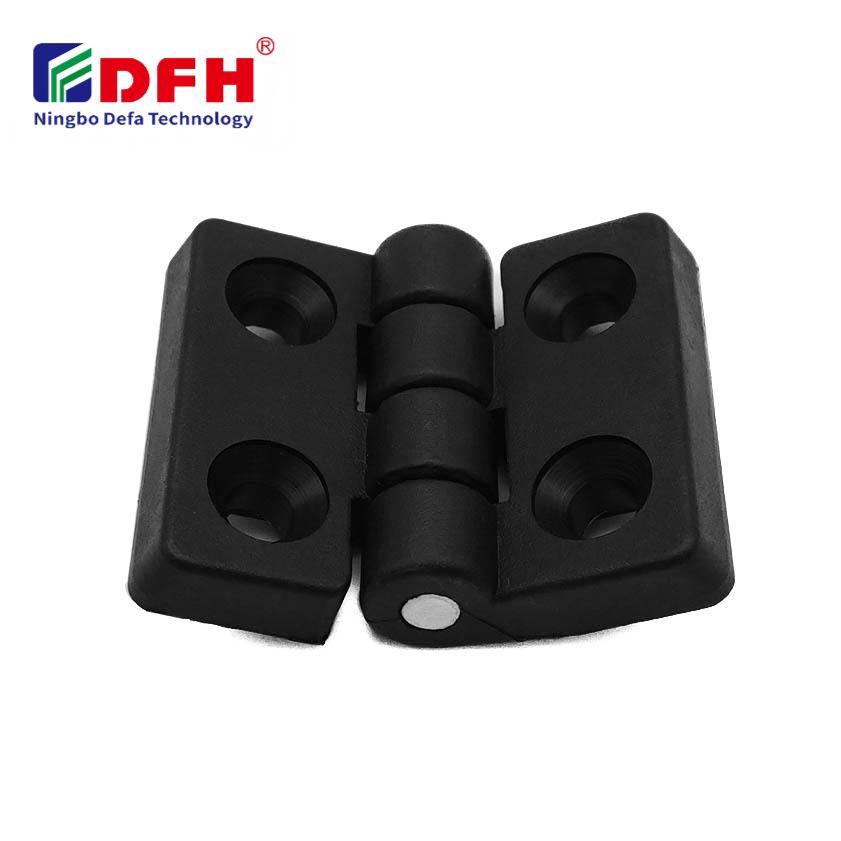
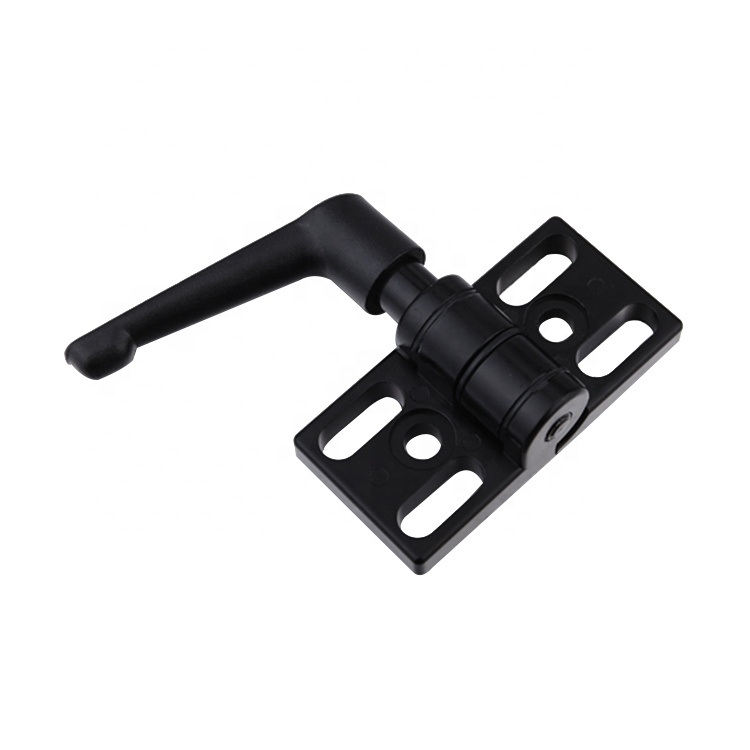
A hinge is a mechanical device that connects two surfaces, allowing them to rotate around a fixed point or axis. This fundamental hardware component serves as the pivotal connection in doors, windows, cabinets, and countless other applications where movement and access are essential. The hinge enables smooth, controlled motion between stationary and moving parts, making it indispensable in both residential and commercial settings.
Modern hinges incorporate advanced technological features designed to enhance durability and performance. Ball-bearing hinges reduce friction during operation, while self-closing hinges automatically return doors to their closed position without manual intervention. Heavy-duty hinges are engineered with reinforced materials to support substantial weight loads, ensuring reliability in high-traffic environments. The hinge design varies significantly depending on its intended application, with options including butt hinges, pivot hinges, continuous hinges, and specialty hinges for specific needs.
The primary function of a hinge is to facilitate controlled rotation while maintaining structural integrity under stress. Quality hinges distribute weight evenly and resist wear, extending the lifespan of doors and access points. Applications for hinges span residential doors, commercial gates, industrial equipment, automotive components, furniture, and cabinet systems. Understanding the different hinge types helps users select the appropriate solution for their specific requirements, whether they need a standard hinge for everyday use or specialized hinges for demanding industrial environments.


 EN
EN